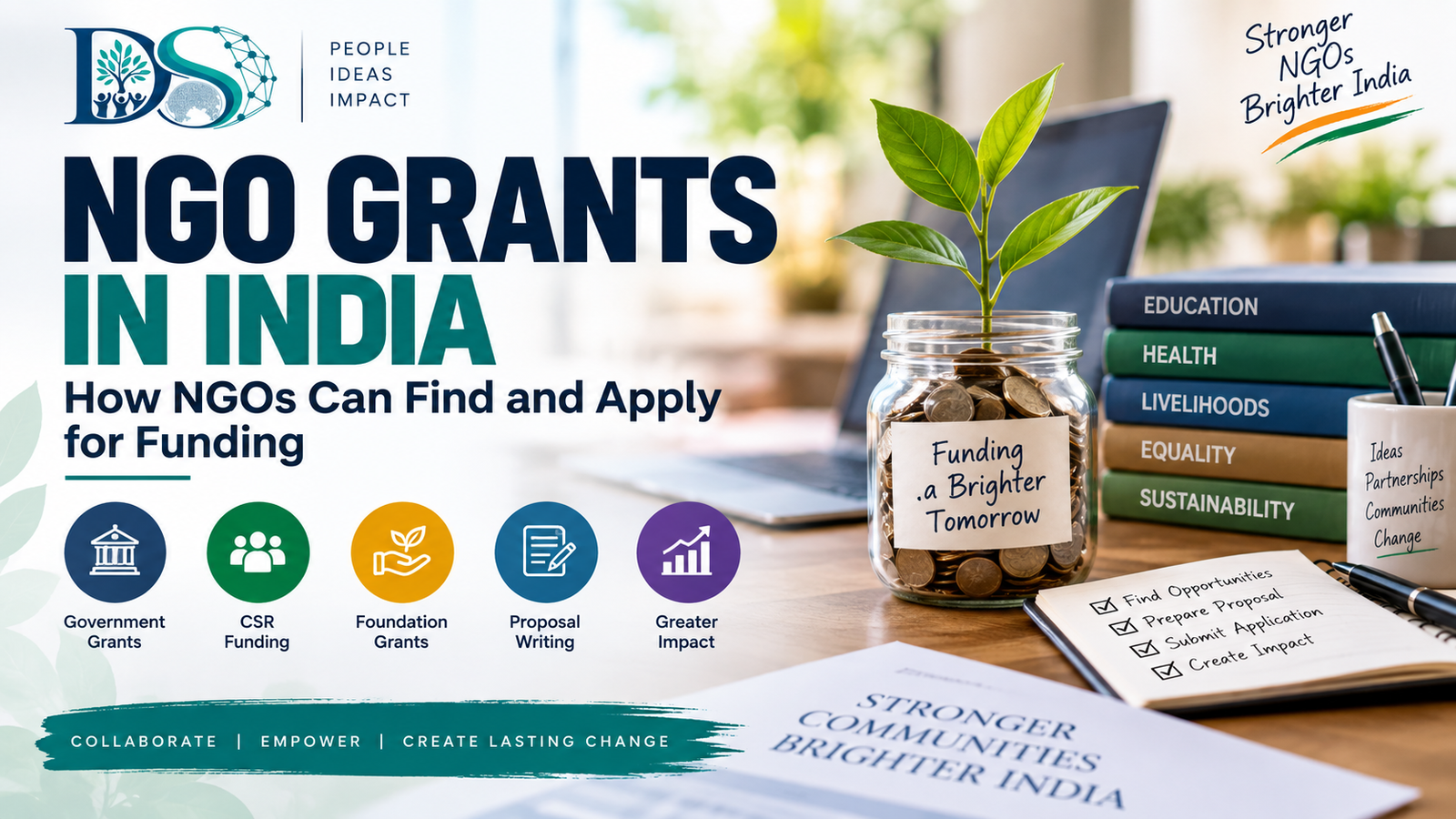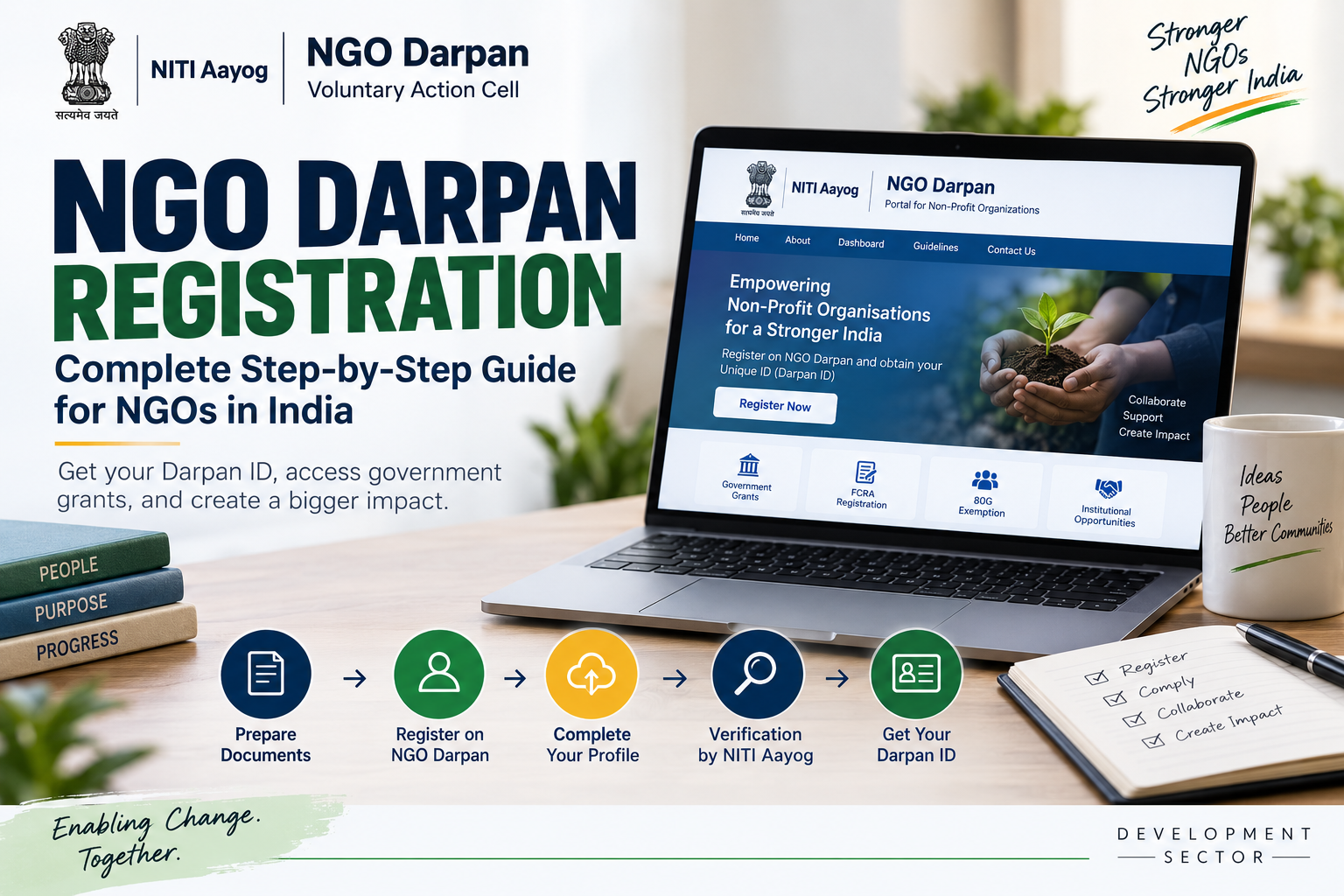
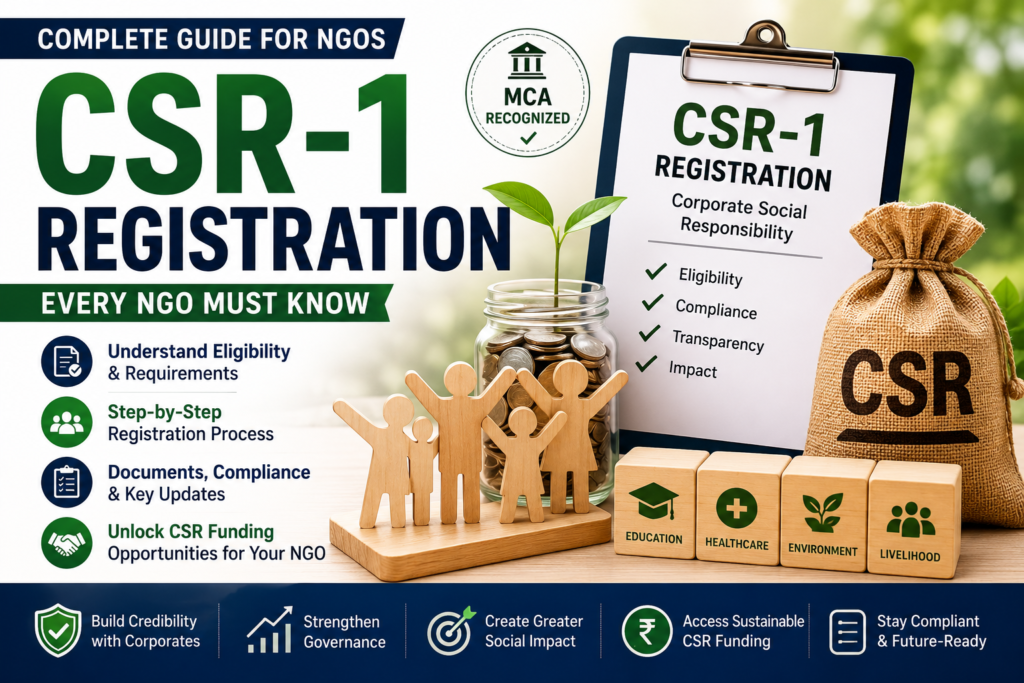
Corporate Social Responsibility (CSR) has become one of the largest funding sources for NGOs in India. Every year, companies covered under Section 135 of the Companies Act invest thousands of crores in education, healthcare, environment, livelihood, and community development projects. However, to legally receive CSR funds from eligible companies, NGOs must complete CSR-1 registration.
Introduced by the Ministry of Corporate Affairs (MCA), CSR-1 registration is a mandatory compliance requirement for NGOs that wish to act as implementing agencies for CSR projects. Without a valid CSR Registration Number, companies generally cannot route their CSR funds through an NGO.
This guide explains what CSR-1 registration is, who can apply, eligibility criteria, required documents, the registration process, recent updates, and common mistakes NGOs should avoid.
What Is CSR-1 Registration?
CSR-1 registration is the process through which eligible NGOs register with the Ministry of Corporate Affairs (MCA) to become authorized implementing agencies for Corporate Social Responsibility (CSR) projects.
Once approved, the organization receives a CSR Registration Number, which companies use to verify eligibility before partnering for CSR initiatives.
Why Is CSR-1 Registration Important?
CSR-1 registration offers several advantages:
- Enables NGOs to receive CSR funding from eligible companies.
- Increases credibility with corporate donors.
- Demonstrates legal compliance.
- Improves transparency and accountability.
- Opens opportunities for long-term CSR partnerships.
Without CSR-1 registration, even a well-established NGO may not qualify to implement CSR-funded projects.
Who Can Apply for CSR-1 Registration?
The following entities are generally eligible:
- Section 8 Companies
- Registered Public Trusts
- Registered Societies
- Entities established under an Act of Parliament or State Legislature
- Government-established entities eligible under CSR rules
In addition to these categories, organizations must meet certain operational and compliance standards to qualify as CSR implementing agencies. For instance, entities that are not established by the Central or State Government are typically expected to have a proven track record of at least three years in undertaking similar activities. This requirement helps ensure that CSR funds are utilized effectively by organizations with demonstrated experience and capacity. Learn more about the NGO Registration in India: Trust vs Society vs Section 8
Many NGOs also require valid registrations under 12A and 80G, which provide tax exemptions and enhance credibility with corporate donors. While these registrations may not always be mandatory for CSR-1 filing, they are often expected by companies during due diligence. Organizations should also ensure that their objectives align with the activities listed under Schedule VII of the Companies Act, which defines permissible CSR activities such as education, healthcare, environmental sustainability, and rural development.
CSR NGO Eligibility
To improve the chances of successful registration, NGOs should generally have:
- Valid legal registration
- PAN card
- Active governing body
- Proper financial records
- Compliance with applicable tax registrations
- Clearly defined charitable objectives
Beyond these basic requirements, NGOs should also demonstrate transparency in operations and accountability in financial management. Maintaining audited financial statements, annual reports, and activity documentation can significantly strengthen an organization’s profile when applying for CSR partnerships.
Organizations should also ensure that their governing body is actively involved in decision-making and that there are no discrepancies between official records and actual operations. A well-structured governance framework, including defined roles and responsibilities, helps build trust with corporate partners.
Additionally, NGOs should have the capacity to implement projects at scale, monitor outcomes, and report impact effectively. Companies increasingly prefer organizations that can provide measurable results and detailed reporting on how CSR funds are utilized.
Meeting these requirements strengthens an NGO’s eligibility for CSR partnerships and improves its chances of securing long-term collaborations with corporate donors.
Documents Required for CSR-1 Registration
Typical documents include:
- Registration Certificate
- PAN Card
- Trust Deed / Memorandum of Association / Articles of Association
- 12A Certificate
- 80G Certificate
- PAN and identity documents of authorized representative
- Digital Signature Certificate (DSC)
- Board Resolution or authorization, where applicable
In addition to these documents, organizations may also need to provide details of their governing body members, including names, designations, and identification numbers such as DIN or PAN where applicable. Accurate and updated information is essential to avoid delays or rejection during the registration process.
It is also important to ensure that all documents are consistent and match the details provided in the CSR-1 form. Any discrepancies in names, addresses, or registration numbers can lead to queries from the authorities and prolong the approval timeline.
Additional documents may be required depending on the organization’s legal structure. For example, Section 8 companies may need to provide incorporation certificates issued by the Registrar of Companies, while trusts and societies may need to submit registration certificates issued by the relevant state authorities.
Proper documentation not only facilitates smooth CSR-1 registration but also enhances the organization’s credibility during corporate due diligence processes.
Step-by-Step CSR-1 Registration Process
Step 1: Ensure NGO Eligibility
Before starting the application, verify that your organization meets all eligibility criteria under CSR rules. This includes having a valid legal structure (Trust, Society, or Section 8 Company), proper registration documents, and compliance with applicable tax laws such as 12A and 80G. It is also important to ensure that your organization has a clearly defined charitable purpose and an active governing body. Reviewing these requirements in advance helps avoid rejection or delays during the application process.
Step 2: Gather Required Documents
Collect all necessary documents before filing the form to ensure a smooth submission. These typically include your registration certificate, PAN card, trust deed or memorandum of association, 12A and 80G certificates, and identity details of the authorized signatory. You will also need a valid Digital Signature Certificate (DSC) for online filing. Ensuring that all documents are accurate, updated, and consistent with each other is crucial, as discrepancies can lead to delays or resubmission requests.
Step 3: File Form CSR-1
Log in to the Ministry of Corporate Affairs (MCA) portal and complete Form CSR-1 online. Enter details such as the organization’s legal structure, registration number, address, and information about key members or trustees. Carefully review all entries before submission, as errors in basic details can lead to rejection or additional scrutiny. The form must be filled accurately and completely to ensure smooth processing.
Step 4: Professional Certification
After completing the form, it must be digitally certified by a practicing Chartered Accountant (CA), Company Secretary (CS), or Cost Accountant (CMA). The professional verifies the authenticity of the information provided and confirms that the organization complies with applicable regulations. This step adds credibility to the application and is mandatory for submission. Choosing an experienced professional can help ensure that the form is correctly validated.
Step 5: Receive CSR Registration Number
Once the application is submitted and approved by the MCA, your organization will receive a unique CSR Registration Number. This number serves as official recognition that your NGO is eligible to act as an implementing agency for CSR projects. Companies will typically request this number before entering into CSR partnerships, so it is important to keep it readily available for future collaborations.
Latest Update: Changes to CSR-1 Registration
The Ministry of Corporate Affairs has modernized the CSR-1 filing process through a web-based system, replacing the older downloadable PDF workflow. The updated filing process requires more structured disclosures and improved digital verification, making compliance more transparent and efficient.
Some important updates include:
- Web-based online filing
- Enhanced organizational disclosures
- Improved verification process
- Better tracking of implementing agencies
- Greater transparency in CSR implementation
Example:
Earlier, an NGO downloaded a PDF form, completed it offline, and uploaded it. Under the newer system, applicants complete the registration directly on the MCA portal, reducing errors and improving processing efficiency.
Common Mistakes NGOs Should Avoid
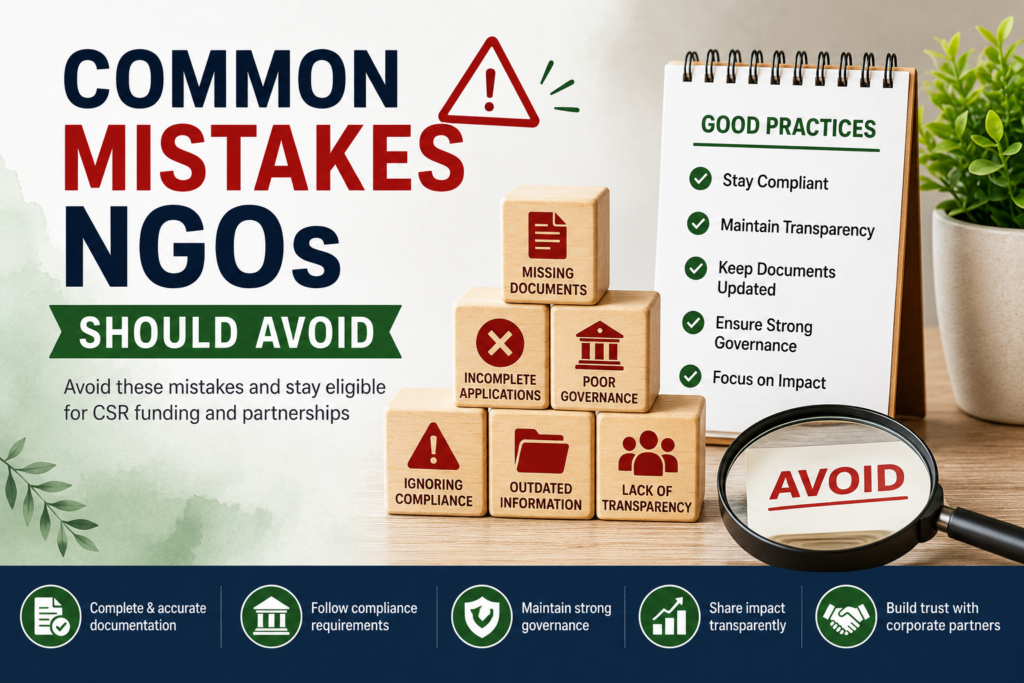
Many NGOs lose valuable CSR opportunities due to simple yet avoidable mistakes. Understanding these common pitfalls can help organizations strengthen their applications, improve credibility, and build long-term partnerships with corporate donors.
Applying Without Required Tax Registrations
Example:
An NGO files CSR-1 without obtaining 12A and 80G registration.
Result:
Many companies may not consider the organization eligible for CSR partnerships, as these tax registrations are often seen as essential indicators of compliance and credibility. Without them, even a well-intentioned NGO may struggle to attract funding.
Poor Documentation
Example:
An NGO submits outdated registration certificates or incorrect trustee details.
Result:
The application may require correction or face delays, which can slow down the approval process. In some cases, repeated errors may also create a negative impression during corporate due diligence.
Weak Governance
Example:
The governing body records do not match the registration documents.
Result:
Companies may question organizational credibility during due diligence. Inconsistent governance records can raise concerns about transparency, accountability, and overall management practices.
Ignoring Compliance
CSR-1 registration is not a one-time exercise. NGOs should continue maintaining proper records, governance practices, and statutory compliance to remain attractive to corporate partners. Regular audits, timely filings, and adherence to legal requirements help build trust and ensure long-term sustainability in CSR collaborations.
Best Practices for NGOs Seeking CSR Funding
To improve your chances of securing CSR partnerships:
- Maintain updated legal documents.
- Publish annual reports.
- Keep audited financial statements ready.
- Demonstrate measurable project impact.
- Build a professional online presence.
- Maintain transparent governance.
Corporate partners increasingly evaluate governance standards alongside project quality.
CSR-1 Registration vs NGO Registration
Many founders confuse these two registrations.
NGO Registration establishes the organization legally as a Trust, Society, or Section 8 Company.
CSR-1 Registration enables that registered organization to receive CSR funding from companies.
In simple terms:
- NGO Registration creates the organization.
- CSR-1 Registration enables CSR funding opportunities.
Conclusion
CSR-1 registration has become an essential requirement for NGOs seeking corporate CSR partnerships in India. While obtaining the registration is relatively straightforward, organizations must also maintain strong governance, legal compliance, and financial transparency to build long-term credibility with corporate donors.
As CSR regulations continue to evolve and digital compliance becomes more robust, NGOs that invest in proper documentation and accountability will be better positioned to attract sustainable CSR funding and create lasting social impact.
Explore More on DevelopmentSector.com
Looking to strengthen your NGO or build a career in the development sector? Explore DevelopmentSector.com for policy updates, NGO registration guides, CSR insights, funding opportunities, fellowships, internships, and the latest development sector jobs.